
Building Bridges: Young Leaders Chart Nepal's Democratic Future
Nepal's youth are taking on an unprecedented role in shaping their country's political future. With elections scheduled for March 2026 and over 837,000 new voters recently added to the rolls, young people across the country are working to ensure their generation can exercise their franchise, access reliable information, and feel motivated to participate in democracy.
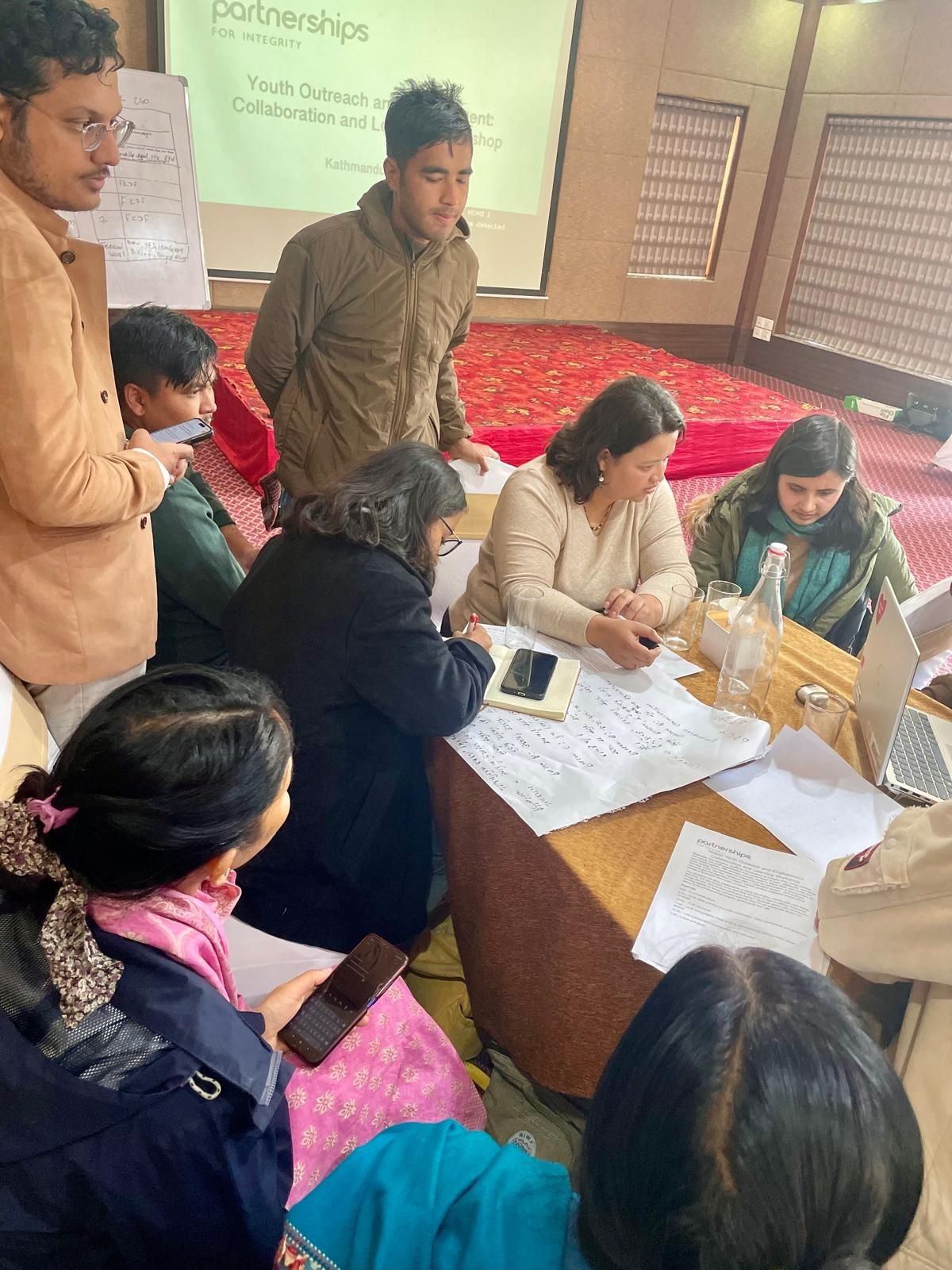
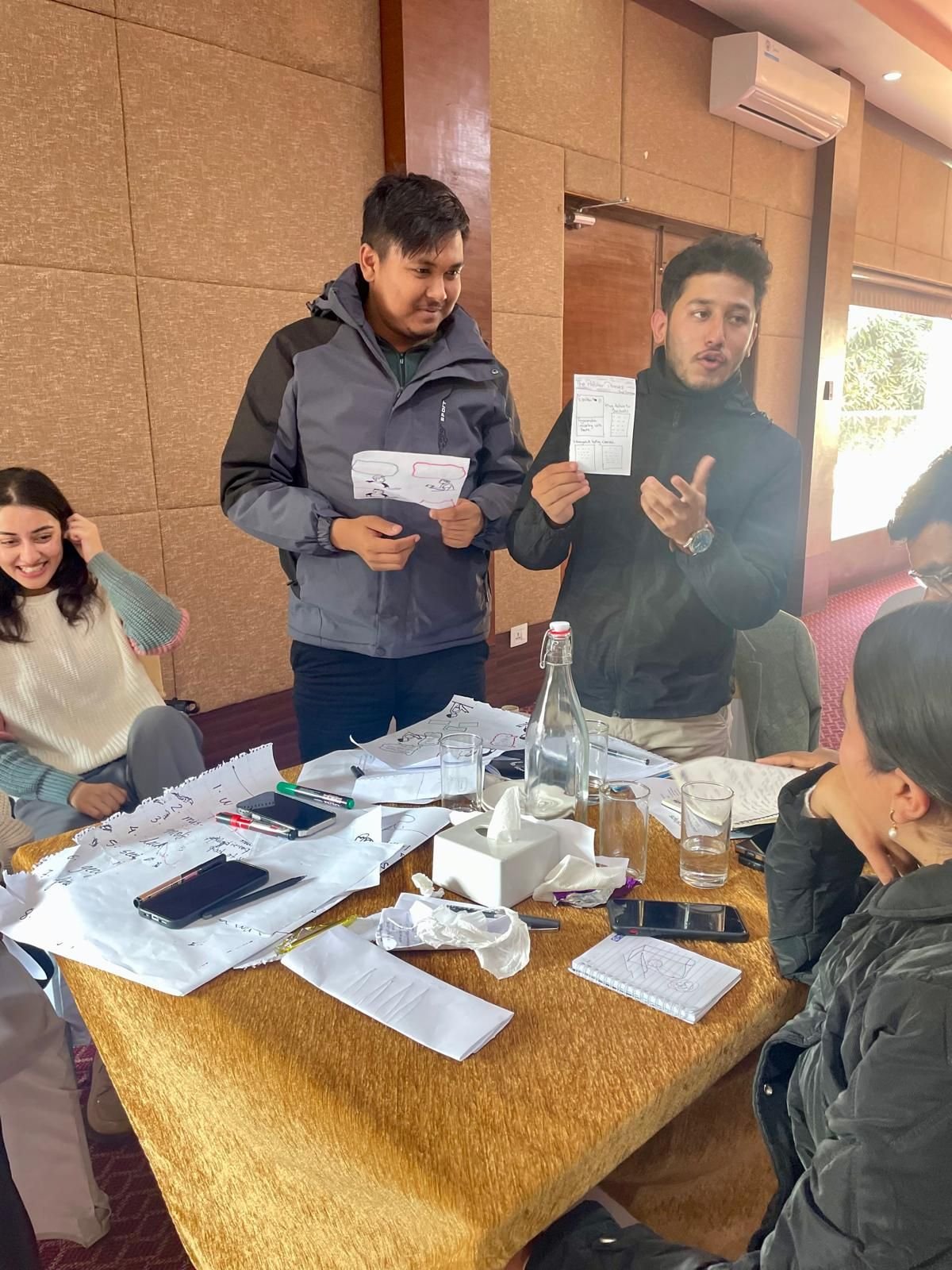
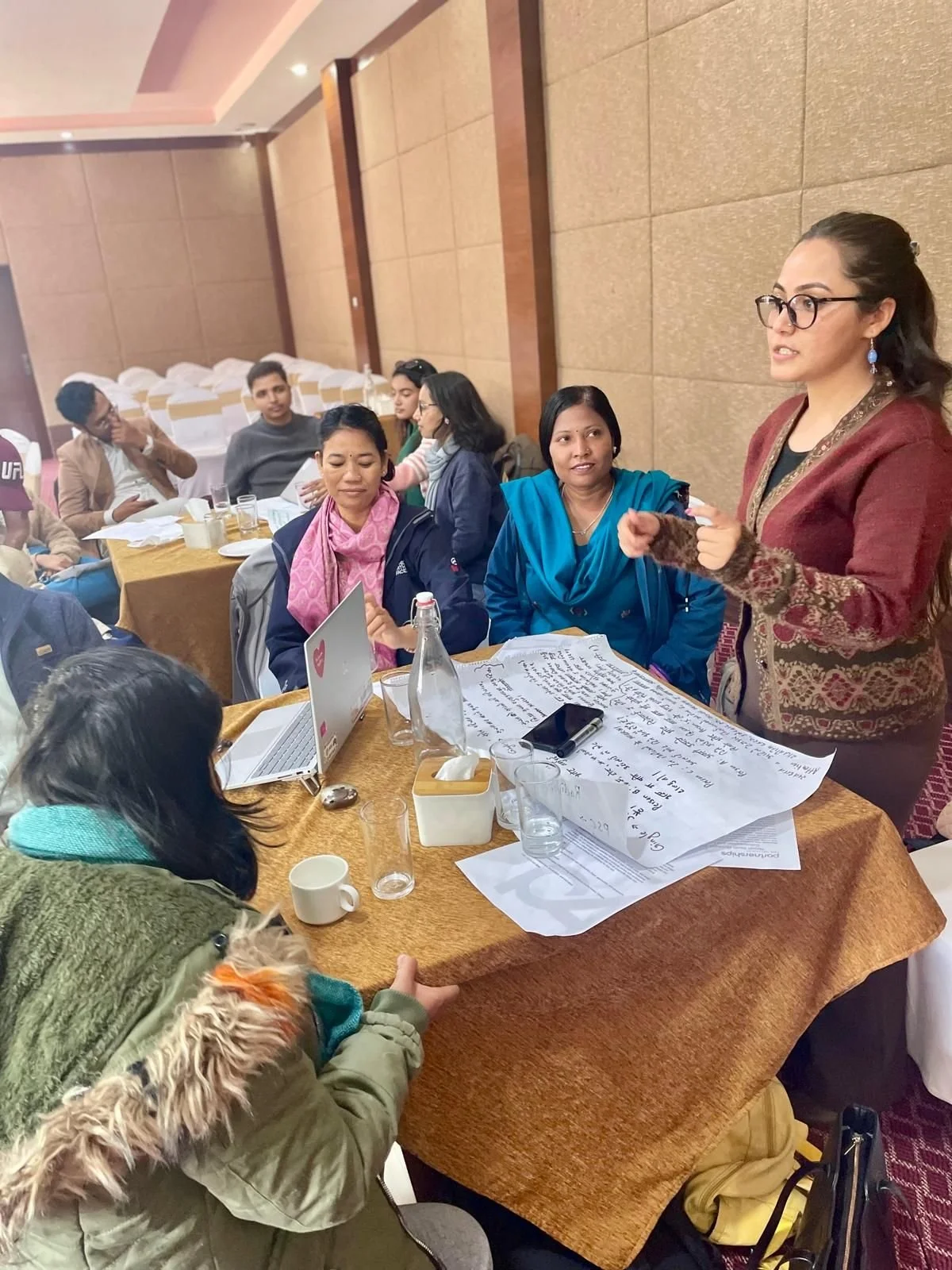
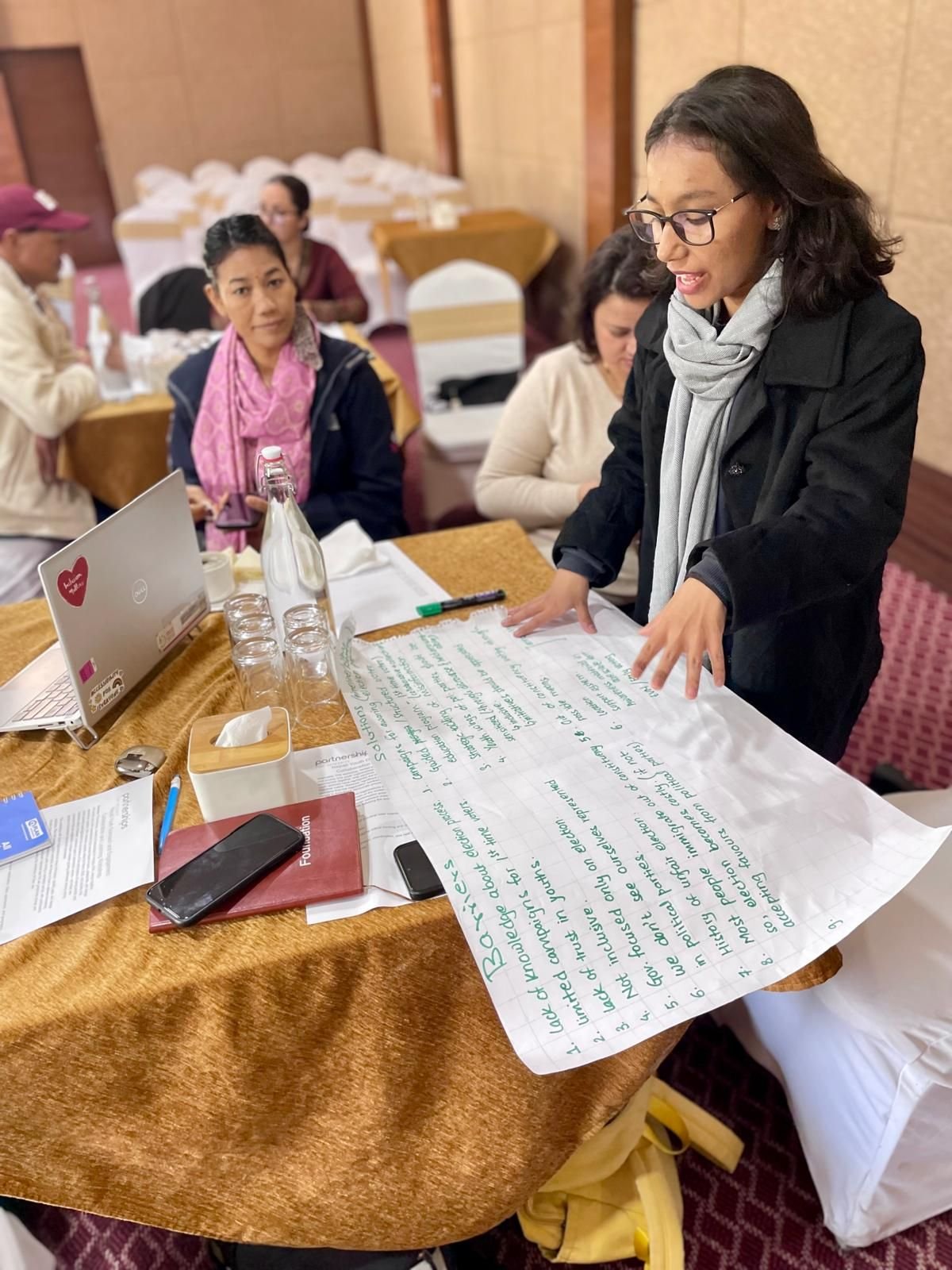
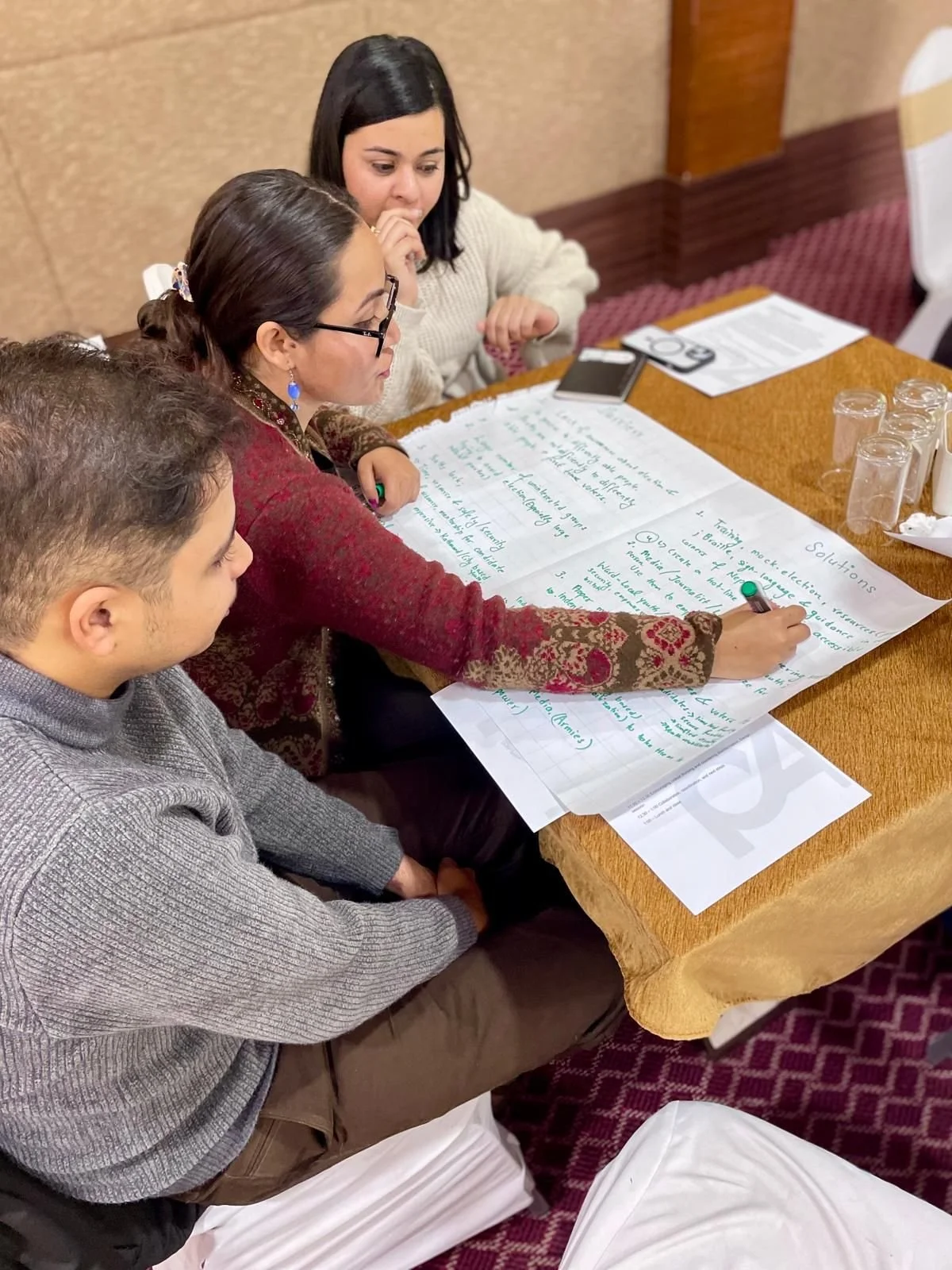
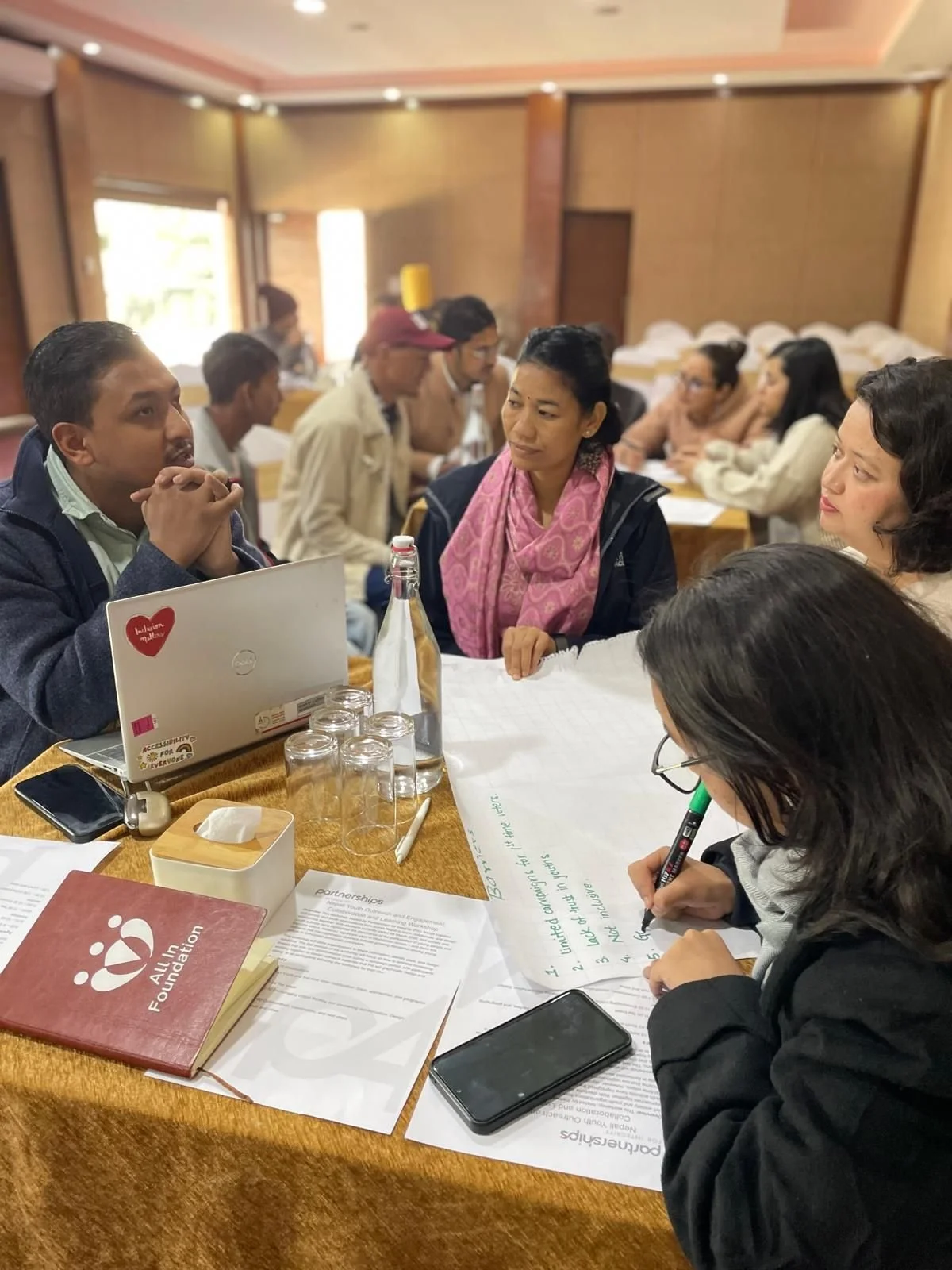
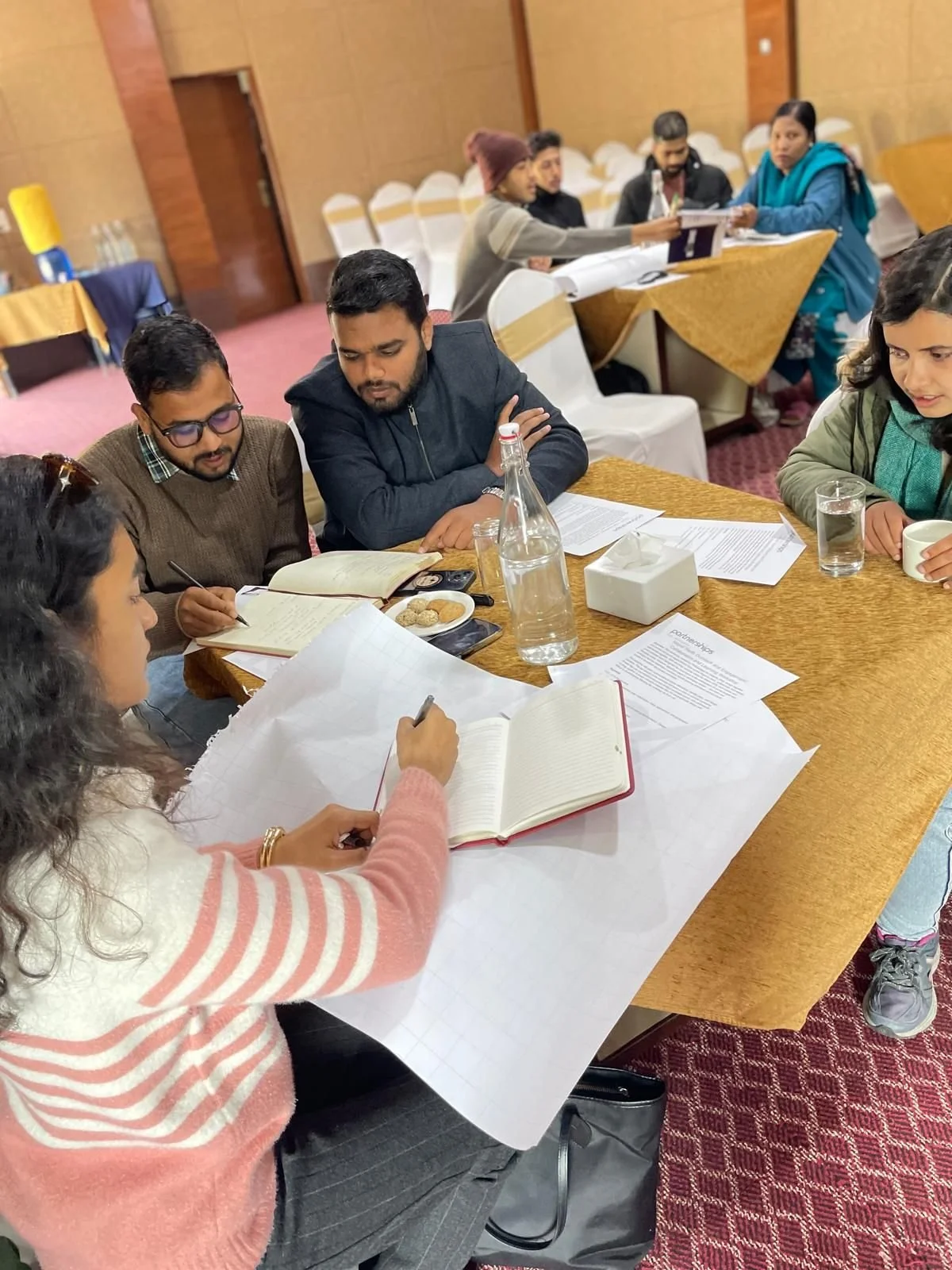
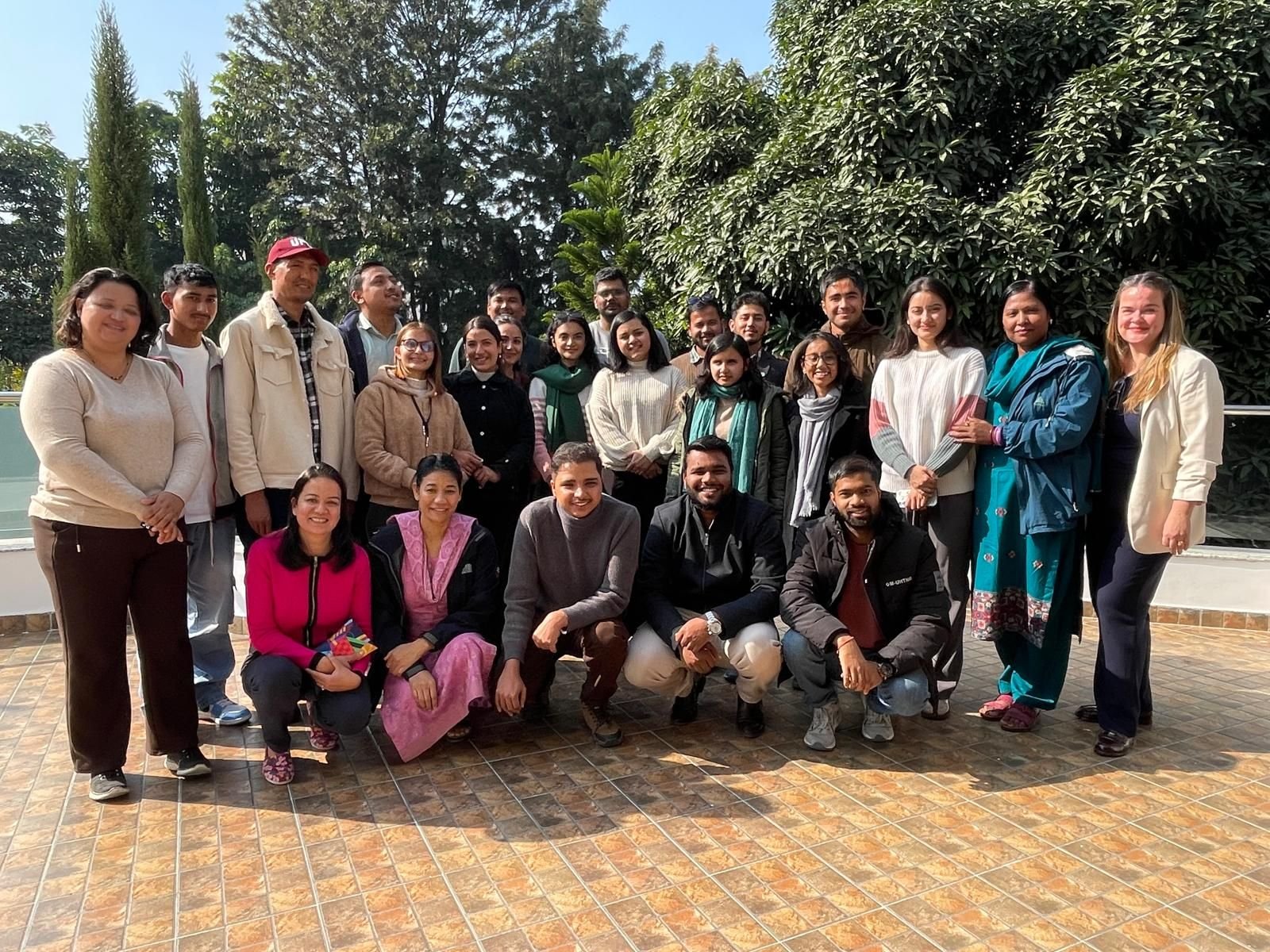
On December 2, 2025, Partnerships for Integrity (P4I) co-founder Meredith Applegate convened more than twenty civil society, youth, and disability rights organizations in Nepal to tackle the critical challenges facing young voters. The day-long session brought together diverse voices to map barriers, identify gaps in outreach, and forge new connections to strengthen collective action ahead of the March 2026 elections.
Confronting Misinformation Together
Throughout the workshop, participants repeatedly highlighted rising mis- and dis-information as a primary concern—and the risk that it will escalate as elections approach. Sujit Chaudhary, a youth engagement advocate who participated in the session, reflected on why this issue resonated so deeply: "In the last national elections I was involved in several campaigns that encouraged young voters and especially first-time voters to understand why their participation matters. I have seen up close how easily misinformation spreads and how quickly it affects the confidence of new voters."
The group developed practical approaches to promote critical thinking among young voters, encouraging them to question their own biases and engage with credible information sources before sharing content online. As Saroj Kumar Mahato, another participant, noted: "We explored ways to strengthen critical thinking, acknowledge our own biases, and promote responsible information-sharing."
The Power of Collaboration
What emerged most powerfully from the day was the untapped potential for coordination among organizations working toward similar goals. "Many organizations have been working separately for years, yet when we mapped it out, our goals overlapped more than we expected," Chaudhary observed. "That gave me a lot of hope because stronger coordination can really change the way young people engage with elections."
The workshop created space for honest dialogue across geographic and sectoral divides. Participants identified gaps in outreach to communities far from urban centers and discussed strategies to reach first-time voters more effectively. Mahato emphasized the need for comprehensive civic education: "There is a strong need to promote political literacy that includes politics, law, elections, and digital awareness."
Looking Forward
By the day's end, participants left energized and committed to continued collaboration. "The energy in the room was full of purpose," Chaudhary reflected. "It reminded me why I continue to invest my time in youth engagement and why spaces like this matter so much for our country's democratic future."
For P4I, the workshop represents the kind of partnership-centered approach that sits at the heart of our mission. Rather than imposing solutions, we create spaces where local leaders can connect, share experiences, and develop strategies rooted in their own expertise and lived reality.
As Nepal approaches its March 2026 elections, the commitment, creativity, and resourcefulness demonstrated by these young leaders offers genuine hope for a more peaceful, fair, and inclusive democratic process. Democracy thrives when people believe in it and take part in shaping it—and these young Nepalis are doing exactly that.
